











-
Reviewed
Key takeaways
- It’s normal to experience one or 2 PMS symptoms before your period.
- Symptoms vary but may include feeling grumpy, cramps, bloating and acne.
- There are many ways to manage PMS symptoms, including exercise, diet, stress management and medicines.
- If PMS impacts your daily life, talk to your doctor.
Sections on this page
Key takeaways
- It’s normal to experience one or 2 PMS symptoms before your period.
- Symptoms vary but may include feeling grumpy, cramps, bloating and acne.
- There are many ways to manage PMS symptoms, including exercise, diet, stress management and medicines.
- If PMS impacts your daily life, talk to your doctor.
What is PMS?
PMS refers to the symptoms you might feel in the week or 2 before your period starts.
Most women have one or 2 symptoms. Once your period starts, the symptoms usually go away.
PMS is very common in teenage years and during perimenopause.
PMS is different to premenstrual dysphoric disorder (PMDD), which is a condition that causes severe emotional and psychological distress.
Symptoms of PMS
PMS symptoms can be emotional, physical or both – everyone is different. Symptoms can also vary from one cycle to the next, but they generally follow a pattern over time.
Common emotional symptoms include:
- feeling grumpy (irritability)
- feeling worried or anxious (anxiety)
- lower ability to cope
- loss of confidence
- difficulty concentrating or thinking clearly
- mood changes
- sadness or depressed mood.
Common physical symptoms include:
- cramping in the pelvic area
- bloating around the belly (abdomen)
- breast swelling and tenderness
- fluid retention (swollen fingers or ankles)
- skin problems such as acne.
Other physical symptoms may include:
- headache
- tiredness or fatigue
- constipation, diarrhoea or both
- nausea
- food cravings or changes in appetite
- aching muscles or joints.
What causes PMS?
It’s not yet known exactly why PMS happens. But it may be due to hormone changes in the body before a period.
Some women may be more sensitive to these changes than others.
Some research suggests PMS may be linked to overlapping factors, including:
- brain sensitivity to hormone changes during the menstrual cycle
- genetic factors
- stress
- inflammation.
Managing PMS
There are many ways to manage PMS symptoms, including a healthy lifestyle and certain medicines.
A healthy lifestyle can help reduce PMS symptoms. For example:
- physical activity
- stress-relief activities
- a well-balanced diet
- avoiding alcohol and smoking.
Many people also use complementary and alternative therapies such as acupuncture, naturopathy and herbs to relieve emotional and physical symptoms of PMS. But more research is needed to understand the effectiveness of these therapies.
Common supplements that have been shown to be effective in treating PMS include:
- vitamin D
- calcium – about 600 mg twice a day.
Some people use chaste tree supplements, but there is not enough evidence to support its use.
It’s important to tell your doctor if you take any supplements, as they can affect other medicines.
Some hormone medicines (e.g. the Pill) suppress ovulation and reduce hormone levels during your menstrual cycle, which can help with symptoms.
Other medicines may help reduce PMS symptoms. For example, certain antidepressants and anti-inflammatories.
If you have tender, painful breasts before your periods, try wearing a soft cotton or bamboo bra on those days.
Many people find using a heat pack on their belly or lower back eases cramping pain. You could also try relaxing in a warm bath.
When to see your doctor
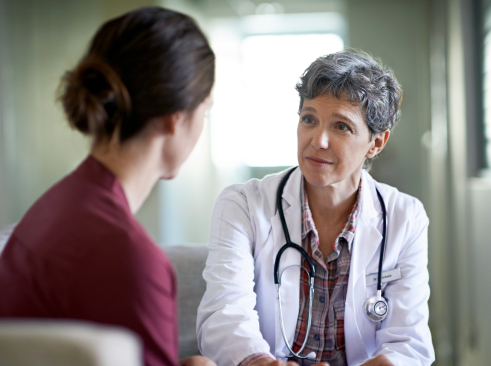
It’s important to see your doctor if your periods or PMS impacts your normal activities, like school or work, relationships and quality of life.
Personal stories about periods
-
Story
PMS: Fact versus fiction
-
Story
My journey with PMDD
Our review process
This information has been reviewed by clinical experts and is based on the latest evidence.
Our content review process ensures our health information is accurate, trustworthy, current and useful.
We regularly check our information to make sure it reflects the latest clinical guidelines and key findings from large, reliable studies.
Where possible, we focus on Australian research to make our information more relevant locally.
Experts play a key role in reviewing our content. Clinicians at Jean Hailes check information for accuracy and real‑world relevance. These include GPs, gynaecologists, endocrinologists, psychologists and allied health professionals.
We also work with partner organisations, independent specialists and people with lived experience to make sure our content reflects both expert knowledge and the experiences of the community.